How Ghuyone Adds Style and Confidence to Web Typography
Testing Ghuyone in a Real Web Project
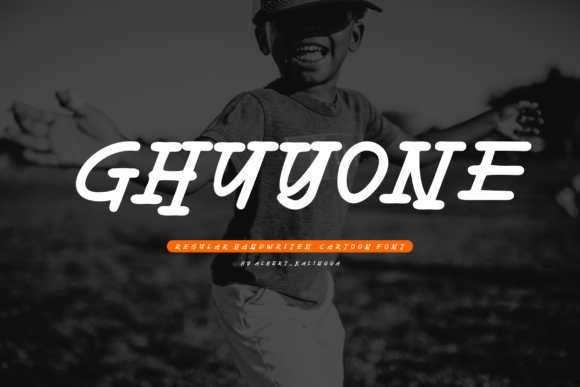
While working on a new portfolio homepage for a creative client, I wanted a font that would stand out without compromising readability. I opened my design tool and dropped in Ghuyone for the hero section headline. Instantly, it gave the layout a bold, expressive tone. Ghuyone is a gorgeous handwritten font that feels both modern and nostalgic. It’s the kind of typeface that can elevate a digital brand with minimal effort, especially when you need a strong visual identity in headers, logotypes, or landing page titles.
Understanding Ghuyone’s Personality and Digital Appeal
Ghuyone reads as confident, dynamic, and artistic. Its script style falls under the Script Amp category, making it ideal for digital projects that need a touch of elegance without being overly formal. The font flows naturally, with smooth strokes and intentional variations that mimic real handwriting. On screen, it maintains clarity even at moderate sizes, which makes it a solid choice for hero titles, branding headers, and short-form text like call-to-action buttons.
Using Ghuyone Across Web Layouts
I tested Ghuyone across several areas of the site: the hero headline, service section titles, and logo mockups. It worked best in larger text blocks where its character could shine—like the main headline over a full-width image banner. It’s not ideal for long paragraphs or body text, which makes sense for any display font. Instead, Ghuyone thrives in hero sections, landing page headers, online shop banners, and promotional graphics where visual impact matters most.
- Used for a boutique online store’s logo and featured product titles
- Applied to a coaching website’s homepage headline and service icons
- Integrated into a product landing page’s CTA button and subheadings
- Featured in a blog redesign’s header and featured post titles
Readability and Visual Hierarchy
When designing for the web, readability is key. Ghuyone works best at sizes above 24px, especially on mobile. I noticed that on smaller buttons or in dense layouts, its flourishes could blur or become hard to read. To maintain clarity, I used it selectively—mostly in hero sections and high-impact areas. Pairing it with a clean sans serif like Helvetica or Inter for body text helped balance the design and guide the user’s eye naturally through the page.
Best Use Cases for Ghuyone
Ghuyone shines in short, expressive text. Here’s where I found it most effective:
- Hero Titles – Perfect for grabbing attention at the top of a landing page
- Logo Design – Adds a personal, handcrafted feel to brand identities
- Section Headings – Works well in service or feature blocks
- Call-to-Action Buttons – Especially when used sparingly and at the right size
- Decorative Accents – Ideal for quote highlights or social media graphics
It’s not recommended for navigation menus, long-form content, or secondary text where clarity is critical. Instead, use it as a supporting font that complements your primary typeface and enhances your brand’s visual storytelling.
Pairing Ghuyone with Other Fonts
Font pairing is essential for maintaining balance in digital design. Since Ghuyone is a decorative script, I paired it with a modern sans serif for body copy. This contrast helped establish visual hierarchy and made the layout feel intentional and professional. For more editorial-style sites, pairing it with a serif font like Georgia or Playfair Display can create a refined, magazine-inspired aesthetic.
Responsive Design and Readability Tips
When designing with Ghuyone for mobile, I adjusted the font size and spacing to ensure legibility. I avoided using it over busy image backgrounds without a subtle overlay or stroke effect. On dark backgrounds, I checked contrast ratios to maintain readability and accessibility. For fast-loading webfonts, I made sure to include only the necessary character sets and weights, especially for international projects requiring multilingual support.
Checking Font Availability and Licensing
Before finalizing Ghuyone for the live site, I reviewed the font files and licensing. It’s important to confirm that the font includes webfont versions in WOFF and OTF formats, supports multiple languages, and allows commercial use. I also checked for alternate characters and ligatures to ensure flexibility in branding materials and logo design.