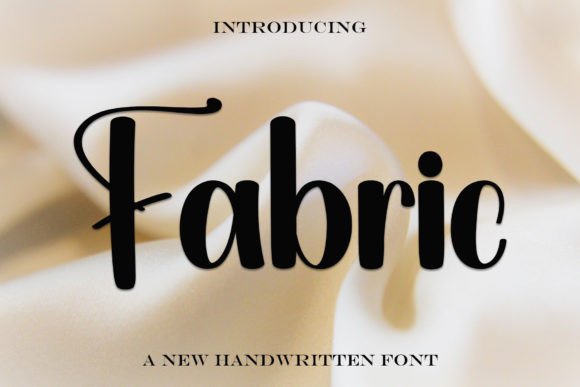
Fabric: A Handwritten Font for Elegant Editorial Design
Fabric is a refined, handwritten script font that brings a personal, artisanal touch to editorial projects. Its flowing strokes and balanced proportions convey warmth and sophistication, making it ideal for content creators seeking a typeface that enhances visual storytelling. Whether used in blog headers, ebook covers, or quote graphics, Fabric adds a distinct personality that resonates with readers.
Designed with editorial applications in mind, Fabric excels in creating visual hierarchy and guiding reader attention. It works particularly well as a display font for titles, section headings, and pull quotes. Its legibility at larger sizes ensures that key elements stand out without sacrificing style. When used in digital magazines or newsletters, Fabric introduces a sense of curated elegance that aligns with modern typography trends.
Enhancing Publication Branding with Fabric
Consistency in typography is crucial for building a recognizable brand identity. Fabric offers a unique yet versatile style that can serve as a signature element across various content formats. From lifestyle blogs to coaching workbooks, this font supports a cohesive visual tone that strengthens reader connection. Its clean, cursive aesthetic works especially well for creators focusing on wellness, personal development, or creative industries.
For digital publications, Fabric can be used across multiple touchpoints—cover art, chapter openers, lead magnets, and printable worksheets. Its adaptability allows for seamless integration into both screen-based and print-ready designs. When applied thoughtfully, the font enhances the emotional tone of the content, reinforcing the message through visual language.
Practical Uses in Layout Design
In blog design, Fabric adds a distinctive flair to headers and featured quotes. Its organic texture complements clean sans serif fonts in body text, creating a balanced contrast between headline and paragraph typography. For recipe ebooks or wedding guides, the font introduces a sense of intimacy and craftsmanship, elevating the overall reading experience.
Printable planners and digital workbooks benefit from Fabric’s clarity and warmth. It performs well in section titles, prompts, and decorative accents. The font’s natural rhythm makes it especially effective in quote layouts, where it enhances the emotional impact of highlighted text. In newsletter design, Fabric can be used for subject lines, callout boxes, and branded headers that stand out in crowded inboxes.
Readability and Format Considerations
While Fabric shines in short-form, high-impact applications, it’s best reserved for titles, subtitles, and accent text rather than extended body copy. Its handwritten nature ensures strong visual appeal but may affect readability in long paragraphs, particularly on mobile screens. For screen reading and PDF exports, using the font at optimal sizes and with sufficient spacing ensures clarity across devices.
When designing for print, such as in guides or workbooks, testing the font at different print resolutions is recommended. Fabric maintains its elegance in both digital and physical formats, especially when paired with complementary fonts for supporting text. The font’s multilingual support and included alternates offer flexibility for international creators and design variations.
Effective Font Pairing for Editorial Projects
A key strength of Fabric lies in its ability to pair beautifully with other typefaces. For editorial layouts, combining it with a readable serif font like Georgia or a clean sans serif like Helvetica enhances both structure and visual interest. This contrast supports a clear hierarchy—using Fabric for headings and a more neutral font for body text ensures readability while maintaining aesthetic appeal.
In digital magazines or newsletters, consider using Fabric for cover titles or featured quotes, then switching to a modern sans serif for captions and navigation elements. This approach maintains a cohesive yet functional design, allowing the font to stand out where it matters most. For printables and worksheets, pairing with a minimalist monospace font can create a contemporary, curated look.
Font Features and Licensing for Commercial Use
Fabric includes multiple styles, ligatures, and alternate characters that allow for customization in editorial design. These features enable subtle variations that prevent repetition, especially in multi-page documents or recurring newsletter layouts. The font’s availability in different weights ensures adaptability across backgrounds and design contexts.
For creators using Fabric in commercial projects—such as paid newsletters, client publications, or digital downloads—it’s essential to verify licensing terms. Most premium script fonts offer commercial licenses that cover templates, ebooks, and printables. Ensuring proper usage rights helps maintain legal compliance while leveraging the font’s full design potential.
Integrating Fabric into Content Creation Workflows
Whether designing a digital magazine, crafting a branded newsletter, or developing a printable planner, Fabric offers a distinct editorial voice. Its presence in a design toolkit allows for expressive typography that aligns with brand personality and reader expectations. By understanding its strengths and limitations, content creators can use Fabric to elevate their visual storytelling and build more engaging publications.
For publishers and bloggers, the font serves as a reliable asset in creating polished, reader-friendly layouts. From ebook covers to social media graphics, its versatility supports a cohesive design strategy across platforms. As part of a broader brand identity, Fabric contributes to a memorable and aesthetically refined content experience.